French Polynesia halves the duty free stay
French Polynesia has cut temporary admission for foreign pleasure vessels under 24 metres from 24 to twelve consecutive months. Vessels over 24 metres keep 36 months. After that the boat must leave Polynesian waters or be cleared through customs.
Law NAMMERT Assekuradeur GmbH
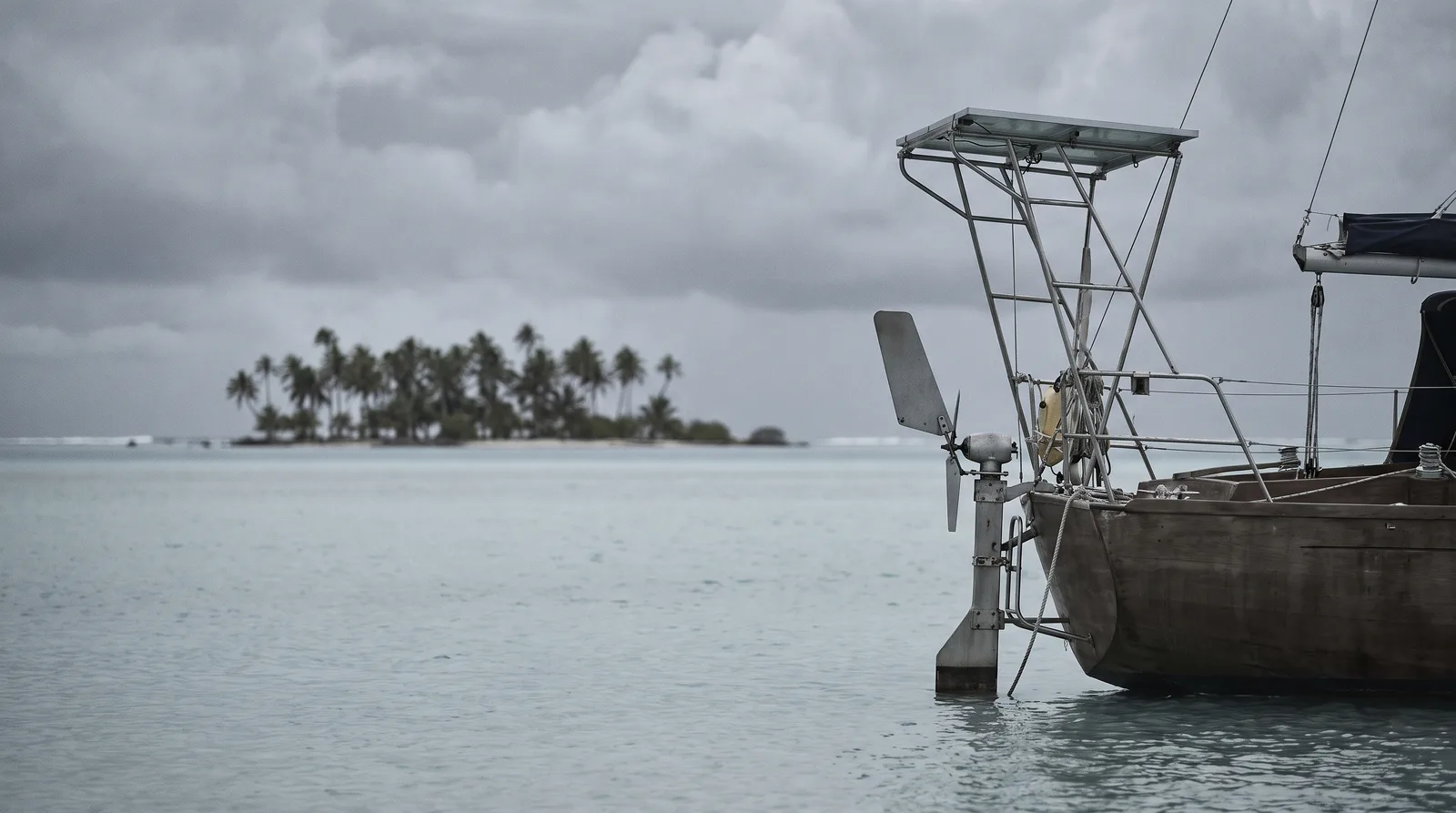
The customs administration of French Polynesia has set a new limit on temporary admission, the admission temporaire, with effect from 1 September 2026. A foreign pleasure vessel under 24 metres may now lie in Polynesian waters for at most twelve consecutive months without paying import duties and taxes, while vessels over 24 metres keep 36 months. The legal basis is arrêté 1197 CM of 28 July 2026, amending the customs code of French Polynesia. What matters is the date of arrival: boats entering from 1 September 2026 fall under the new limit, and the administration now runs a separate declaration route for them.
Before that the period was 24 months, according to Trans-Ocean, the German association for offshore cruising sailors, and vessels already in the territory keep that longer period. Once the clock runs out there are two options: leave Polynesian waters, or clear the boat through customs. Importing it is expressly provided for, it costs duties assessed on the value of the vessel, and it ends the time limit.
Leaving and re-entering for a few days does not reset anything. The administration renews temporary admission for a privately used pleasure vessel only on proof that the boat spent at least six months outside French Polynesia, counted from the day the exit declaration was lodged, and that it entered foreign territory during that time. The standing conditions apply alongside: the vessel is registered elsewhere, the owner or user is not resident in French Polynesia and does not become resident, carries on no gainful activity there, and the boat serves private use only, so it is neither chartered out nor lent. Breach any one of these and the vessel loses the regime.
In practice this reshapes a Pacific season. Crews who used to spread two years across the Marquesas, the Tuamotus and the Society Islands, sitting out a cyclone season in a yard along the way, now have one year for the same ground, and the six months away before a fresh admission amount to a passage of their own rather than a hop. Anyone planning to leave the boat there for good should price the import in from the start.
What this means for owners
The insurance question here is not the customs bill but what the shorter clock does to a route. A tighter deadline pushes crews into delivery passages they had not planned, and the cruising limits written into a marine policy are usually the first thing such a change collides with, so ask your insurer in writing what happens to a passage that leaves the agreed area. The vessels affected are cruising and long distance yachts under 24 metres, meaning sailing yachts, cruising catamarans and trawlers; above 24 metres nothing changes. Worth asking at the same time: what conditions apply while the boat lies unattended on a mooring or ashore, because the new limit produces more of those months.
This paragraph is our view as an underwriting agency, not part of the news. What your own policy covers is written in your own terms; when in doubt, call us.
Where this comes from
- Zollverwaltung Französisch-Polynesien: Formalités d'entrée et de sortie de navire, Arrêté 1197 CM vom 28.07.2026
- Trans-Ocean: Französisch-Polynesien verkürzt Aufenthaltsdauer für ausländische Langfahrtyachten, 11.09.2026
The text above is our own. The sources listed supplied the facts and the figures, not the wording.