3 Details
Who should be covered? *
Please choose Just me Me and my partner Family with children Single parent with children
Year of birth of the oldest person *
Do you work in the public sector?
Please choose Yes No
Liability claims in the last five years *
Please choose None One Two or more
What matters to you
Type of home *
Please choose Flat on an upper floor Flat on the ground floor or in a basement Detached, semi-detached or terraced house
How is the home used? *
Please choose Main home, permanently lived in Second home or holiday home
Value of jewellery, watches, art and collections *
Please choose Under €5,000 €5,000 to €20,000 Over €20,000
Total value of all bikes and e-bikes
Please choose None Up to €2,000 €2,000 to €5,000 Over €5,000
Do you want cover for flooding and heavy rain?
Please choose Yes No
Contents claims in the last five years, in any country *
Please choose None One Two or more
Anything else we should know
Type of building *
Please choose Detached house Semi-detached or terraced house Two-family house Apartment building
Living space in m² *
Construction type *
Please choose Solid masonry or concrete with hard roof Prefabricated or timber frame Half-timbered or thatched roof
Basement *
Please choose No basement Basement without living rooms Basement with living rooms
Solar panels on the roof?
Please choose Yes No
Do you want natural hazards cover (flood, heavy rain)?
Please choose Yes No
Building claims in the last five years *
Please choose None One Two or more
What should be covered against natural hazards? *
Please choose Building Contents Building and contents
Do you already have buildings or contents insurance? *
Please choose Yes, I want to add natural hazards cover Yes, I want to switch insurer No, I need a new policy
Distance to the nearest river, stream or lake *
Please choose Under 100 m 100 to 500 m Over 500 m Not sure If you know your ZÜRS class, please mention it in the message field
Basement *
Please choose No basement Basement without living rooms Basement with living rooms or building services
Is a sewer non-return valve fitted?
Please choose Yes No
Has the property ever had a flood or backflow claim? *
Please choose Yes No
What are you building? *
Please choose New detached house New two-family or multi-unit house Extension, conversion or added storey Prefab house
Building cost excluding the plot, in euros *
Planned start of construction *
Construction method *
Please choose Masonry or concrete Timber frame or prefab Mixed or not yet decided
Your own work on site *
Please choose None Some tasks A large share
Will friends or family help on site?
Please choose Yes No
What matters to you
Year of first registration *
Current no-claims class (liability) *
Please choose SF 0 or new driver SF 1 to SF 5 SF 6 to SF 15 SF 16 to SF 25 SF 26 or higher I don't know, or my record is from abroad
Annual mileage *
Please choose up to 6,000 km 6,000 to 12,000 km 12,000 to 20,000 km over 20,000 km
Who drives the car? *
Please choose Only me Me and my partner Also drivers under 25 Any driver
Cover required *
Please choose Liability only Liability and partial cover Liability and fully comprehensive Please advise me
Is the car kept in a garage overnight?
Please choose Yes No
Type of bike *
Please choose Bicycle without motor Pedelec up to 25 km/h Speed pedelec up to 45 km/h Cargo bike
Purchase price in euros *
Date of purchase *
Cover required *
Please choose Theft only Theft and damage Theft, damage and wear
Where is the bike kept at night? *
Please choose Inside the flat or a locked private room Shared cellar or bike room Outdoors
Do you already have contents insurance (Hausrat)?
Please choose Yes No
Single trip or annual cover? *
Please choose Single trip Annual cover for all trips
Who should be insured? *
Please choose One person Couple Family with children Single parent with children
Year of birth of the oldest person *
Destinations *
Please choose Europe Worldwide excluding USA and Canada Worldwide including USA and Canada
Which cover? *
Please choose Travel health only Travel health and cancellation Full package Please advise me
Trip price in euros (for cancellation cover)
Longest single trip *
Please choose up to 6 weeks up to 8 weeks longer than 8 weeks
Drone (make and model) *
Take-off weight *
Please choose under 250 g 250 g to 900 g 900 g to 4 kg 4 kg to 25 kg
Use *
Please choose Private only Private and occasionally commercial Commercial
Operating category *
Please choose Open category A1 or A3 Open category A2 Specific category I don't know
Should the drone itself be insured (hull cover)? *
Please choose Yes No
Value of the drone with accessories in euros
Do you also fly outside Germany?
Please choose Yes No
How many dogs should be insured? *
Please choose One dog Two dogs Three or more dogs None yet, planning to get one
Year of birth of the dog
Is the dog classed as dangerous or on a breed list? *
Please choose Yes No
Claims caused by the dog in the last five years *
Please choose None One Two or more
What matters to you
Species *
Please choose Dog Cat
Date of birth of the animal *
Cover you want *
Please choose Surgery only Surgery and treatment Not sure yet, please advise
Are there known conditions or ongoing treatments? *
Please choose Yes No
Is the animal neutered?
Please choose Yes No
What matters to you
Employment situation *
Please choose Employed Self-employed or freelance Civil servant Retired Not working, in training or studying
Who should be covered? *
Please choose Just me Me and my partner Family with children Single parent with children
Areas you want covered *
Please choose Private, work and traffic Private, work, traffic and housing Traffic only Not sure yet, please advise
Housing situation *
Please choose Renting Owner-occupier Also renting out property
Preferred deductible
Please choose None 150 € 250 to 300 € 500 € or more
Legal claims in the last five years *
Please choose None One Two or more
What matters to you
Who should be covered? *
Please choose Just me Me and my partner Family with children A child only
Year of birth (if several people: the oldest) *
Preferred base sum for permanent impairment *
Please choose Up to €100,000 €100,000 to €250,000 Over €250,000 Please advise
Any high-risk sports or hobbies?
Please choose Yes No For example motorcycling, diving, climbing, paragliding
Any existing disability or serious pre-existing condition? *
Please choose Yes No
Anything else that matters to you
Year of birth of the person to be insured *
Preferred sum insured *
Please choose Up to €5,000 €5,000 to €10,000 Over €10,000 Not sure yet
Who should be insured? *
Please choose Just me Me and my partner Someone else, for example a parent
Preferred premium payment *
Please choose Ongoing, lowest possible monthly premium Only until a set age Single premium
Preferred type of burial
Please choose Burial Cremation Not decided
Burial abroad or repatriation wanted?
Please choose Yes No For example to your or your family's home country
Anything else that matters to you
Which type of pension are you interested in? *
Please choose Private pension policy (traditional or unit-linked) Rürup pension (Basisrente) Subsidised saving (Riester, new scheme from 2027) Not sure yet, please advise
Year of birth *
Employment status in Germany *
Please choose Employed Self-employed or freelance Civil servant Other (training, parental leave, not working)
Planned contribution *
Please choose up to €50 a month €50 to €150 a month €150 to €300 a month more than €300 a month One-off payment
Planned retirement age
How important is a guarantee? *
Please choose Contributions should be fully guaranteed A partial guarantee is enough No guarantee, more upside Not sure yet
Existing pension contracts and plans
For example a pension from your home country, a German company pension, how long you plan to stay
Who should be insured? *
Please choose Only me Me and my partner Me and my children Partner and children
Year of birth of the main person *
Employment status *
Please choose Employee Self-employed or freelancer Civil servant Student or trainee Retired or other
How are you insured today? *
Please choose German public insurance German private insurance Insured abroad Currently not insured
Pre-existing conditions and ongoing treatment
Keywords are enough, including treatment abroad.
We clarify this anonymously before any application.
Who should be insured? *
Please choose Only me Me and my partner One or more children Family
Year of birth of the oldest person *
Which gap do you want to close? *
Please choose Hospital (private room, consultant) Outpatient (alternative practitioner, glasses, check-ups) Both Income during illness (daily sick pay)
Employment status
Please choose Employee Self-employed Not working or retired
Is any treatment ongoing or recommended? *
Please choose Yes No
What matters to you
Who should be insured? *
Please choose Only me Me and my partner One or more children Family
Year of birth of the oldest person *
Missing teeth not yet replaced *
Please choose None One or two Three or more Wisdom teeth and gaps closed by braces do not count
Has a dentist recommended or planned any treatment? *
Please choose Yes No
What matters most to you? *
Please choose Dentures and implants Preservation and cleaning Braces for a child All of these
Notes
Year of birth *
Which type interests you? *
Please choose Daily care allowance Care cost insurance Care pension Not sure yet, please advise
Any pre-existing conditions or ongoing treatment? *
Please choose Yes No
Has a care level already been applied for or granted? *
Please choose Yes No
Notes
What should be insured? *
Please choose Rented detached or two family house Rented apartment building Rented apartment Undeveloped land Several properties
Number of residential and commercial units
Is any unit used commercially? *
Please choose Yes No
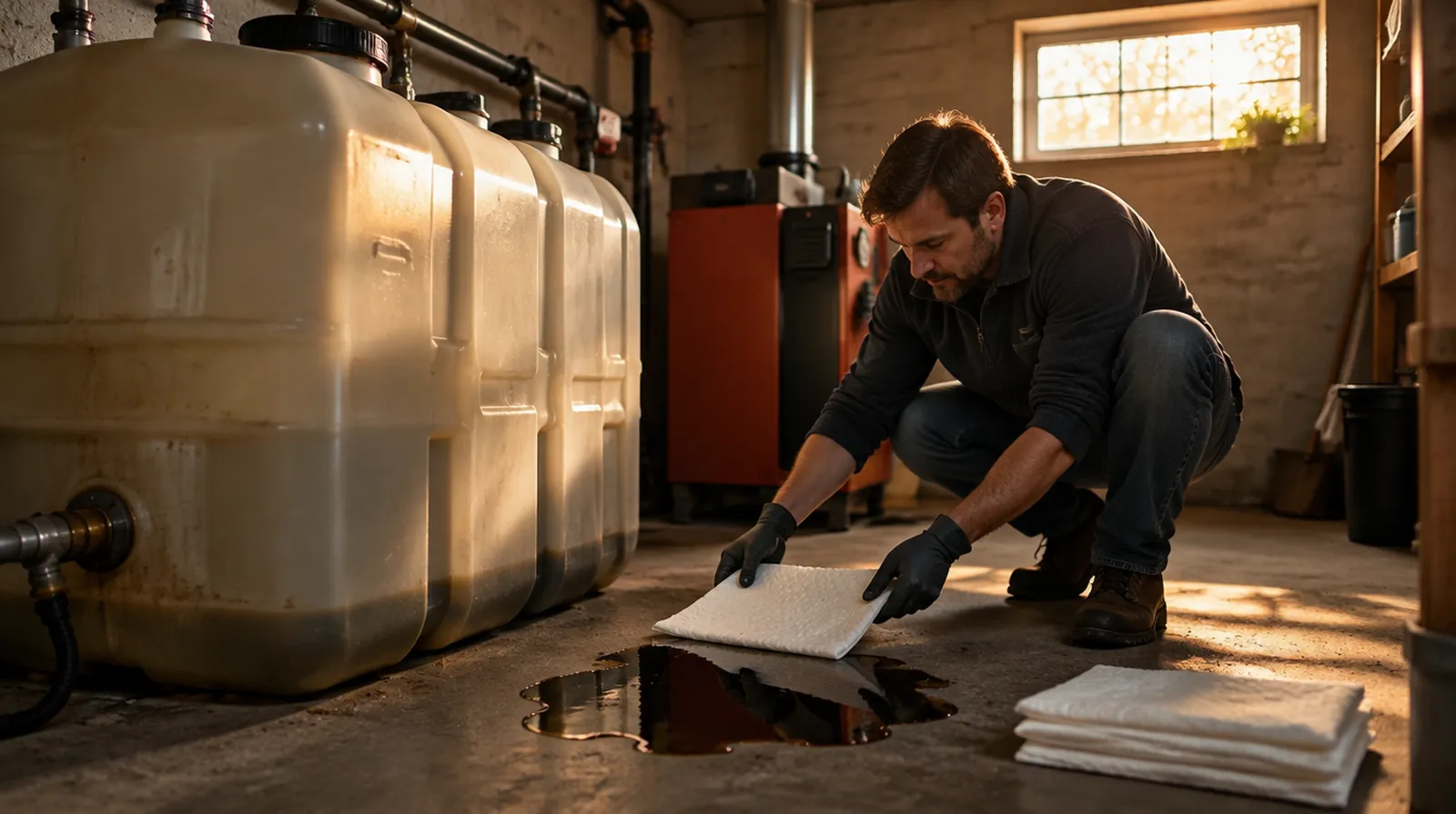
Is there a heating oil tank on the property? *
Please choose Yes No
Liability claims in the last five years *
Please choose None One Two or more
What matters to you
Where is the tank? *
Please choose Above ground inside the building Above ground outdoors Underground Several tanks in different places
Construction *
Please choose Double walled Single walled with drip tray or bunded room Plastic battery tank Not sure
Is the property in a water protection zone or flood zone? *
Please choose Yes No
Last inspection by an expert *
Please choose Within the last five years Longer ago Never or unknown
Use of the building *
Please choose Owner occupied Let to tenants Partly commercial
What matters to you
How do you hunt? *
Please choose Hunter without own shoot Leaseholder or co-leaseholder Professional hunter or game warden Newly licensed hunter
How many hunting dogs do you handle? *
Please choose None One Two Three or more
Do you take part in driven hunts? *
Please choose Yes No
Do you also hunt outside Germany?
Please choose Yes No
Liability claims in the last five years *
Please choose None One Two or more
What matters to you
How many horses or ponies should be insured? *
Please choose One horse Two horses Three or more
How is the horse used? *
Please choose Leisure riding Competition Carriage driving Breeding Not ridden, e.g. companion horse
Year of birth of the horse
Who else rides the horse? *
Please choose Nobody Family members One regular shared rider Changing guest riders
Claims caused by the horse in the last five years *
Please choose None One Two or more
What matters to you
What should be covered? *
Please choose Furniture glass (hob, glass furniture, aquarium) Building glass (windows, doors, conservatory) Both Not sure
Your home *
Please choose Rented flat Owner-occupied flat Detached or semi-detached house Apartment building
Living space in m² *
Do you have a ceramic or induction hob? *
Please choose Yes No
Special glass areas
Please choose None Conservatory or glass roof Large glass fronts or glass shower Large aquarium or terrarium
Existing policies
Please choose None Contents (Hausrat) Buildings (Wohngebäude) Contents and buildings
Glass claims in the last five years *
Please choose None One Two or more
Year of first registration *
How long have you ridden without a claim? *
Please choose My first own motorcycle 1 to 5 years 6 to 15 years more than 15 years I don't know
When do you ride during the year? *
Please choose All year Roughly March to October Summer only, up to 6 months I don't know
Cover you want *
Please choose Liability only Liability and Teilkasko Liability and Vollkasko Please advise me
Should helmet and protective gear be covered?
Please choose Yes No
Is the bike kept in a garage at night?
Please choose Yes No
Year of first registration *
Current vehicle value *
Please choose up to EUR 30,000 EUR 30,000 to 60,000 EUR 60,000 to 100,000 over EUR 100,000 I don't know
Gross vehicle weight *
Please choose up to 3.5 t over 3.5 t I don't know
Registration *
Please choose All year Seasonal plates Not decided yet
Cover you want *
Please choose Liability only Liability and Teilkasko Liability and Vollkasko Please advise me
Should the equipment inside be insured too?
Please choose Yes No
Do you plan to rent the motorhome out?
Please choose Yes No
What do you need cover for? *
Please choose Holidays, several times a year One long trip or sabbatical Studies, internship or work and travel Wintering in the south
Who should be insured? *
Please choose One person Couple Family with children
Year of birth of the oldest person *
Where are you going? *
Please choose Europe Worldwide excluding USA and Canada Worldwide including USA and Canada
Longest single stay *
Please choose up to 6 weeks up to 8 weeks 3 to 12 months more than a year
When should cover start?
Are pre existing conditions treated regularly?
Please choose Yes No
Horse's date of birth *
What is the horse used for? *
Please choose Leisure Competition Breeding Riding school or training
Cover you are looking for *
Please choose Colic surgery only All operations Operations and treatment Not sure yet, please advise
Approximate value of the horse in euros
Are any prior conditions or findings known, for example from a pre purchase vetting? *
Please choose Yes No
What matters to you
Year of birth *
Type of work *
Please choose Mostly desk work Mixed Mostly physical
Monthly benefit you would like in euros *
Should mental illness be covered? *
Please choose Yes No
Has an application for BU cover been refused or accepted only with exclusions? *
Please choose Yes No
Any medical treatment or diagnosis in the last five years, in Germany or abroad? *
Please choose Yes No We discuss details personally
Anything else that matters to you
How many children should be insured? *
Please choose One child Two children Three or more children
Child's date of birth (if several: the youngest) *
Which benefit would you like? *
Please choose Monthly pension One off lump sum Pension and lump sum Please advise
Preferred monthly pension
Please choose Up to EUR 500 EUR 500 to 1,000 Over EUR 1,000 Please advise
Have there been any health concerns, therapies or hospital stays? *
Please choose Yes No For example developmental delay, early intervention, operations
Does your child already have accident insurance?
Please choose Yes No
What matters to you
Year of first registration *
Approximate value *
Please choose up to EUR 15,000 EUR 15,000 to 50,000 EUR 50,000 to 150,000 over EUR 150,000
Is there a valuation report? *
Please choose Yes, less than two years old Yes, more than two years old No
Registration *
Please choose H plate Red 07 plate Standard or seasonal plate Not registered yet
Annual mileage *
Please choose up to 3,000 km 3,000 to 6,000 km 6,000 to 10,000 km over 10,000 km
Is there another car in the household for everyday use? *
Please choose Yes No
Is the car kept in a garage or hall?
Please choose Yes No
Year of birth *
Desired sum insured *
Please choose Up to €50,000 €50,000 to €100,000 Over €100,000 Please advise
Do you smoke or have you smoked in the last twelve months? *
Please choose Yes No
Medical treatment or diagnoses in the last five years? *
Please choose Yes No We discuss the details with you personally for an anonymous pre-application
Do you already have occupational disability insurance (BU)?
Please choose Yes No
What matters to you
How many residential units do you let? *
Please choose One Two to five Six to ten More than ten
What do you let? *
Please choose Flat Detached or semi detached house Apartment building
Status of the tenancy *
Please choose New letting planned Tenant moved in less than a year ago Tenant has lived there for more than a year
Are there currently any rent arrears? *
Please choose Yes No
What matters to you
Instrument (type, maker, year) *
Value of all instruments and accessories in euros *
How do you play? *
Please choose Hobby or school Studies or side job Professionally, such as orchestra, band or teaching
How is the value documented? *
Please choose Invoice Valuation or certificate Not yet documented
Where should the cover apply? *
Please choose Germany Europe Worldwide
Do you regularly transport the instrument by car? *
Please choose Yes No
Do you fly with the instrument?
Please choose Yes No
What would you like to insure? *
Please choose Jewellery and watches Paintings, prints or sculpture Antiques or a collection, such as coins or stamps Several of these
Total value in euros *
Value of the most expensive single item in euros
How are the values documented? *
Please choose Invoices Valuations or expert reports Not documented yet
How are the items secured? *
Please choose Certified safe Alarm system Safe and alarm system No special security
Do you wear jewellery or watches when travelling?
Please choose Yes No
Do you lend works to exhibitions or move them?
Please choose Yes No
How are the items insured today? *
Please choose Only through Hausrat Separate art or valuables policy Not at all
What do you let? *
Please choose Holiday flat Holiday house Room or granny flat Several properties
Town or postcode of the property *
Number of beds
How do guests book? *
Please choose Airbnb only Several portals Directly with me Through an agency
Do you use the property yourself? *
Please choose Yes No
Claims in the last five years *
Please choose None One Two or more
What matters to you
Year of first registration *
Current value of the caravan *
Please choose up to EUR 10,000 EUR 10,000 to 25,000 EUR 25,000 to 50,000 over EUR 50,000 Not sure
Gross vehicle weight *
Please choose up to 1,500 kg 1,500 to 2,500 kg over 2,500 kg Not sure
Use *
Please choose Registered all year for touring Seasonal plates Deregistered on a seasonal pitch Not decided yet
Cover you want *
Please choose Liability only Liability and partial Kasko Liability and comprehensive Kasko Please advise me
Should an awning be included?
Please choose Yes No
Should the contents of the caravan be included?
Please choose Yes No
What should be insured? *
Please choose Liability and equipment Liability only Equipment only
Membership *
Please choose Member of a golf club Remote membership or no home club No membership
Do you already have personal liability insurance? *
Please choose Yes No
Replacement value of your equipment in euros
Should the hole-in-one round be insured?
Please choose Yes No
Do you own a golf cart?
Please choose Yes No
Do you also play abroad?
Please choose Yes No
What should the policy do for you? *
Please choose Build savings and protect my family Secure a loan and repay it at the end Save a sum for a child by a fixed date Not sure yet, please advise
Which type interests you? *
Please choose Traditional with guaranteed rate Unit-linked Not sure yet
Year of birth of the insured person *
Planned premium *
Please choose up to €50 a month €50 to €150 a month €150 to €300 a month more than €300 a month One-off payment
Preferred term in years
How high should the death benefit be? *
Please choose At least the premiums paid A fixed sum, for example for a loan Just the minimum, saving comes first Not sure yet
Existing life and pension policies
For example a German policy since 2010, cover from your home country, how long you plan to stay
Who should be insured? *
Please choose Only me Me and my partner Family with children A child only
Year of birth (for several people: the oldest) *
How are you health insured? *
Please choose Public health insurance Public with hospital top-up Private
Preferred daily amount
Please choose Up to €20 €20 to €50 Over €50 Please advise me
What should be covered? *
Please choose Illness and accidents Accidents only Please advise me
Have you been treated as an inpatient in the last five years, or is treatment ongoing? *
Please choose Yes No
What matters to you
What do you mainly want to protect against? *
Please choose Identity theft and data misuse Fraud when shopping or banking online Cyberbullying and damage to reputation All of these
Who should be covered? *
Please choose Just me Couple Family with children
Do children in your household use their own devices or social media?
Please choose Yes No
What do you already have? *
Please choose Contents insurance with internet add-on Legal expenses cover with internet protection Both Neither, or not sure
Do you also use your devices for work or self-employment? *
Please choose Yes No
Have you had an incident in the last three years (fraud, data theft, bullying)?
Please choose Yes No
Anything else that matters to you?
Vehicle *
Please choose Car Motorbike Motorhome Other vehicle
Year of first registration *
What cover do you have today? *
Please choose None Schutzbrief with my car insurance Motoring club member Both
Where do you drive the vehicle? *
Please choose Only in Germany Elsewhere in Europe too
Do you tow a trailer or caravan?
Please choose Yes No
Who insures the vehicle today?
Legal form *
Please choose Sole trader (Einzelunternehmen) Partnership (GbR or similar) GmbH or UG Other legal form
Annual net turnover in euros *
Number of staff including owners *
Preferred limit of indemnity *
Please choose EUR 3 million EUR 5 million EUR 10 million Please advise
Liability claims in the last five years *
Please choose None One Two or more
Anything else we should know
Does your chamber or trade law require insurance? *
Please choose Yes No
Legal form *
Please choose Sole practitioner or freelancer GbR or partnership GmbH, PartG mbB or other limited liability form Other legal form
Annual net fee income in euros *
Number of professionals and staff *
Preferred limit per claim *
Please choose EUR 250,000 EUR 500,000 EUR 1 million EUR 2 million or more Please advise
Claims in the last five years *
Please choose None One Two or more
Anything else we should know
Your role in the supply chain *
Please choose Manufacturer or supplier Reseller with own brand Importer of goods from outside the EU Reseller of third party brands
Annual net turnover from these products in euros *
Are your products installed or processed further by your customers? *
Please choose Yes No
Do your products reach the US or Canada? *
Please choose No Yes, built in by customers Yes, shipped directly
Preferred limit of indemnity *
Please choose EUR 3 million EUR 5 million EUR 10 million Please advise
Should we also quote recall cost insurance?
Please choose Yes No
Anything else we should know
Which installations or substances are on site? *
Please choose Only usual operating materials in small containers Tanks or stores with substances hazardous to water Installation requiring a permit, for example under the Federal Immission Control Act Not sure
Do you work on clients' installations or premises? *
Please choose Yes No
Annual net turnover in euros *
Do you already have environmental cover? *
Please choose No or not sure Yes, as part of business liability Yes, as a separate policy
Environmental or liability claims in the last five years *
Please choose None One Two or more
Anything else we should know
Sector *
Please choose Restaurant or hotel Bakery, patisserie or butcher Food retail Catering or canteen Other sector
Number of employees *
Annual turnover in euros
How long should a closure be covered? *
Please choose Up to 30 days Up to 60 days More than 60 days Please advise
Do you already have closure cover or an add on? *
Please choose Yes No
Official closures or work bans in the last five years *
Please choose None One Two or more
What matters to you
Main crop *
Please choose Cereals and oilseeds Maize, potatoes and beet Grassland and fodder Fruit Wine Vegetables, hops and specialty crops
Area to insure in hectares *
Federal state and district of the fields *
Cover wanted *
Please choose Hail only Hail, storm and heavy rain Multi-peril with frost Multi-peril with frost and drought
Existing cover *
Please choose None Hail insurance Multi-peril insurance
Weather losses in the last five years *
Please choose None One year with a loss Two or more years with a loss
Should the policy qualify for a subsidy?
Please choose Yes No
Legal form *
Please choose Sole trader Partnership GmbH or UG AG or other legal form
Number of employees *
Please choose up to 10 11 to 50 51 to 250 over 250
Annual net turnover in euros *
Who should be insured? *
Please choose Management only Management and senior staff All employees All employees and the company
Do you have D&O insurance? *
Please choose Yes No
Any criminal or fine proceedings in the last five years? *
Please choose Yes No
Anything else we should know
Your profession *
Please choose Doctor Dentist Psychotherapy or physiotherapy Other health profession
Type of practice *
Please choose Single-handed practice Group practice Medical care centre or other
Year of birth *
Preferred waiting period *
Please choose Short, about one week Two weeks Four weeks or longer Please advise
Scope of cover *
Please choose Illness and accident Also quarantine and practice bans Also standstill after physical damage Please advise
Anything else we should know
Which animals do you keep? *
Please choose Cattle Pigs Poultry Sheep or goats Several species
Production type *
Please choose Dairy Finishing Breeding or piglet production Mixed
Number of animals or places *
What would you like to insure? *
Please choose Business interruption after disease Mortality from illness and accident Both Please advise
Is the herd registered with the Tierseuchenkasse? *
Please choose Yes No
Animal losses or disease cases in the last five years *
Please choose None One Two or more
Anything else we should know
Type of business *
Please choose Vehicle sales Workshop Sales and workshop Other motor business
How many red trade plates do you have or need? *
Average value of your own vehicle stock *
Please choose No own stock Up to EUR 250,000 EUR 250,000 to 1 million Over EUR 1 million
Number of staff including owners *
Scope you are looking for *
Please choose Liability for red plates only Liability and partial cover Liability and comprehensive cover Please advise
Claims in the last five years *
Please choose None One Two or more
Anything else we should know
For example luxury or classic cars in stock, unfenced site, recovery service, motorcycles
Type of premises *
Please choose Shop or showroom Office or practice Workshop or production Warehouse Restaurant or café
Replacement value of furniture and equipment in euros *
Burglary protection *
Please choose Standard door locks only Security locks, bars or shutters Alarm system
Property claims in the last five years *
Please choose None One Two or more
What matters to you
How is the building used? *
Please choose Office or practice Retail Trade or production Warehouse or logistics Mixed with residential units
Who uses the building? *
Please choose Only my own business Let to other businesses Partly vacant
Year of construction *
Usable floor area in square metres *
Construction *
Please choose Masonry with hard roof Steel or hall construction Timber or timber frame Other or mixed
Building claims in the last five years *
Please choose None One Two or more
What matters to you
Annual turnover in euros *
Preferred indemnity period *
Please choose 12 months 18 months 24 months Please advise
Does the business depend on a single supplier or customer?
Please choose Yes No
Do you already have contents or buildings insurance? *
Please choose Yes No
Business interruptions in the last five years *
Please choose None One Two or more
What matters to you
Which equipment should be insured? *
Please choose Office IT and phone system Tills and inventory systems Medical equipment Measuring, testing and control technology Mixed
Replacement value of all devices in euros *
Are devices used away from the premises? *
Please choose Yes No
Should data and software be covered?
Please choose Yes No
Is any equipment leased or financed?
Please choose Yes No
Electronics claims in the last five years *
Please choose None One Two or more
What matters to you
Which machines do you want to insure? *
Please choose Fixed production machinery Construction plant and mobile equipment Technical plant such as compressors, refrigeration or CHP Mixed machinery
Average age of the machines *
Please choose Under 3 years 3 to 10 years Over 10 years
Is equipment used at changing sites? *
Please choose Yes No
Should loss of production be covered?
Please choose Yes No
Industry and main activity *
Anything else we should know
For example machine list, leasing, security measures, previous claims
How many vehicles are in the fleet? *
Which vehicles are in the fleet? *
Please choose Cars only Cars and vans up to 3.5 t Including trucks over 3.5 t Mixed with trailers or special vehicles
Cover required *
Please choose Liability only Liability and partial comprehensive Liability and fully comprehensive Different per vehicle
Claims in the fleet over the last three years *
Please choose None 1 to 3 4 to 10 More than 10
Who drives the vehicles? *
Please choose Named drivers only All employees Employees and family members, including private use
How is the fleet insured today? *
Please choose Individual policies Existing fleet contract New fleet
Anything else we should know
For example leasing, insurer's claims report, foreign trips, renewal date
Legal form *
Please choose Registered club (e.V.) Unregistered club or initiative Federation or umbrella organisation Other legal form
Number of members *
Events with guests per year *
Please choose None Up to five More than five
Visitors at your largest event
Preferred limit of indemnity *
Please choose EUR 3 million EUR 5 million EUR 10 million Please advise
Liability claims in the last five years *
Please choose None One Two or more
Anything else we should know
Number of employees including agency workers *
Annual turnover *
Please choose up to EUR 2 million EUR 2 to 10 million EUR 10 to 50 million over EUR 50 million
Who approves payments? *
Please choose One person alone Two people for larger amounts Always two people External bookkeeping
Are changed bank details verified by call back? *
Please choose Yes No
Do you already have cyber insurance? *
Please choose Yes No
Desired sum insured *
Please choose up to EUR 250,000 EUR 250,000 to 1 million EUR 1 to 5 million over EUR 5 million
Fraud or embezzlement cases in the last five years *
Please choose None One case Several cases Prefer not to say
Sector and business activity *
Annual company turnover *
Please choose up to EUR 1 million EUR 1 to 5 million EUR 5 to 25 million EUR 25 to 100 million over EUR 100 million
Number of employees *
Sector and business activity *
Do you sell online or accept card payments? *
Please choose Yes No
How is your data backed up? *
Please choose Daily, separated from the network or offline Daily, but on the same network Less often than daily Not sure
Is multi-factor authentication set up for email and remote access? *
Please choose Yes No
Security incidents in the last five years *
Please choose None One Several
Preferred limit of indemnity
Please choose EUR 250,000 EUR 500,000 EUR 1 million EUR 2 million or more Please advise Rule of thumb: cost of three to four weeks of downtime plus recovery
Who is asking? *
Please choose Employer planning to introduce a company pension Employer with an existing scheme Employee with questions about my own company pension
Number of employees *
Industry *
Does a collective agreement apply? *
Please choose Yes, with pension rules Yes, without pension rules No Not sure
Existing funding routes *
Please choose No company pension yet Direct insurance Pensionskasse or pension fund Support fund or direct promise Several or unclear
Planned employer contribution *
Please choose Legal minimum top-up only Top-up above the minimum Fully employer-funded Not decided yet
What matters to you
For example English-language admin, staff from abroad, director's pension, reviewing old contracts
Number of employees to be insured *
Average age of the workforce (approx.)
Main focus of the plan *
Please choose Health budget Dental Hospital Prevention and vision Not decided yet
Planned premium per employee per month *
Please choose up to EUR 20 EUR 20 to 35 EUR 35 to 50 over EUR 50 Not decided yet
Should family members be able to join at group rates?
Please choose Yes No
Do you already have company health insurance? *
Please choose Yes No
Number of people to be insured *
Scope of cover *
Please choose 24 hours, work and leisure Work only Not decided yet
Employees' activities *
For example office, field sales, installation, warehouse, drivers
Disability base sum per person *
Please choose EUR 50,000 EUR 100,000 EUR 200,000 more than EUR 200,000 Please advise
Death benefit required?
Please choose Yes No
Does a collective or works agreement require the cover? *
Please choose Yes No