A tool without wording to read
Your cover, shown on the boat.
Tap the part that matters to you: mast, keel, coachroof, stern, pontoon or the people on board. What a tier carries lights up green. What it does not carries on as a leak, and the water inside the hull rises. No wording, no form.
Which boat do you sail? The places change with the type, the cover does not.
Or the other way round: switch the tier and see what stays dark.
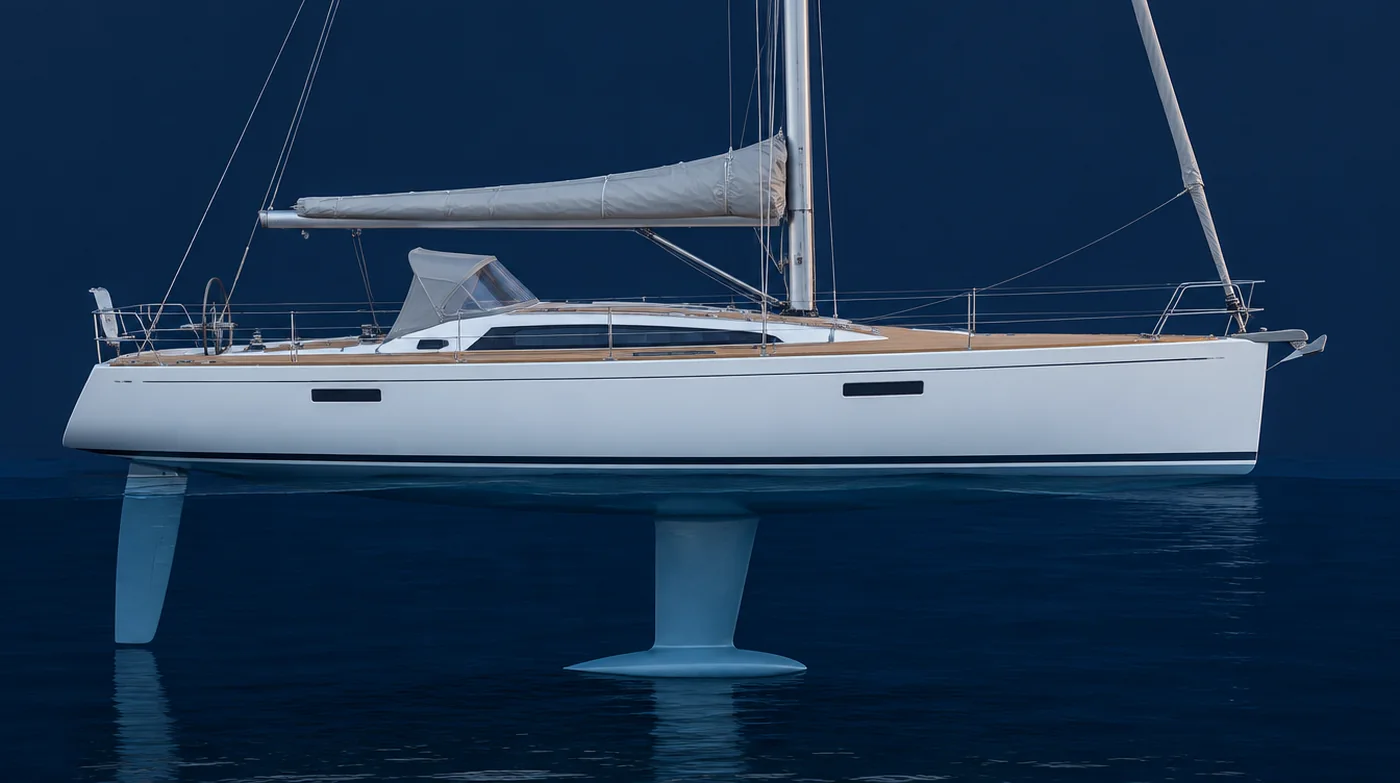
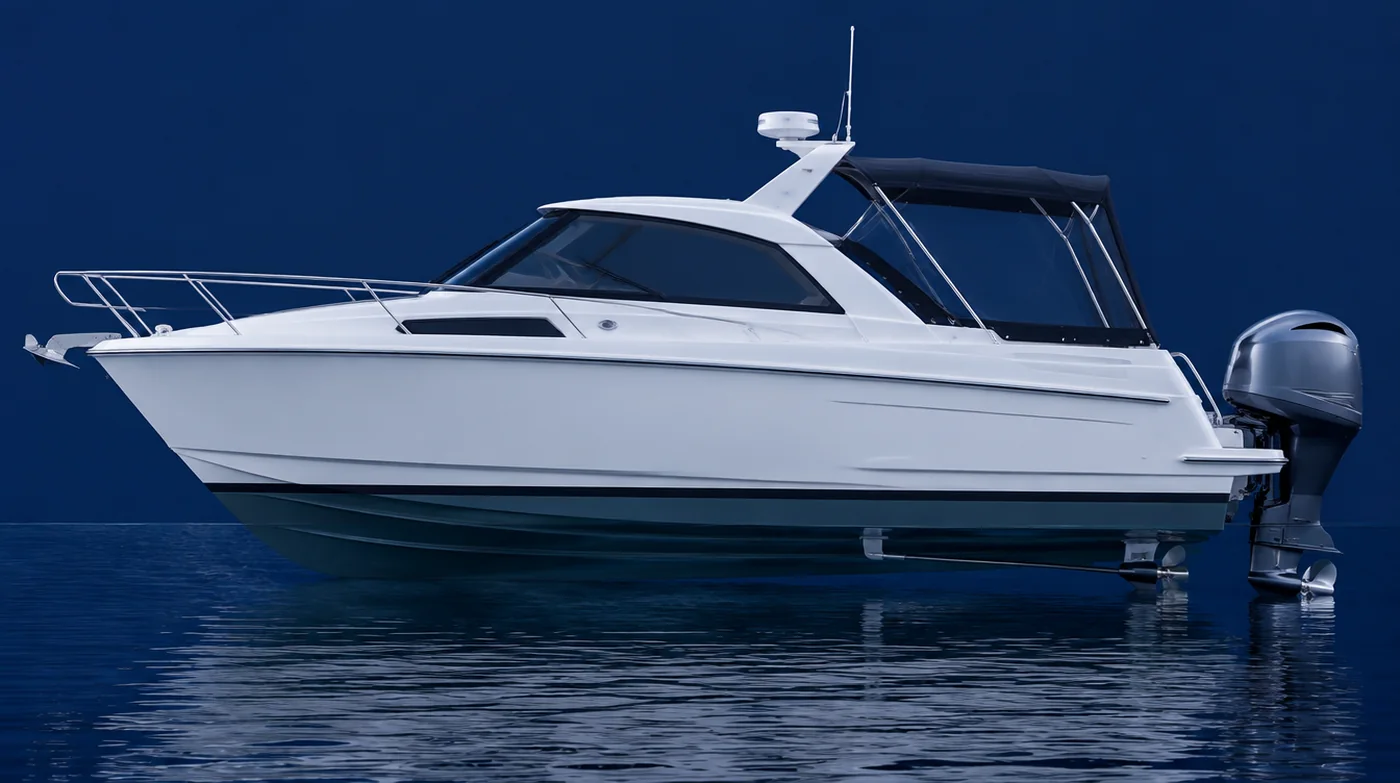
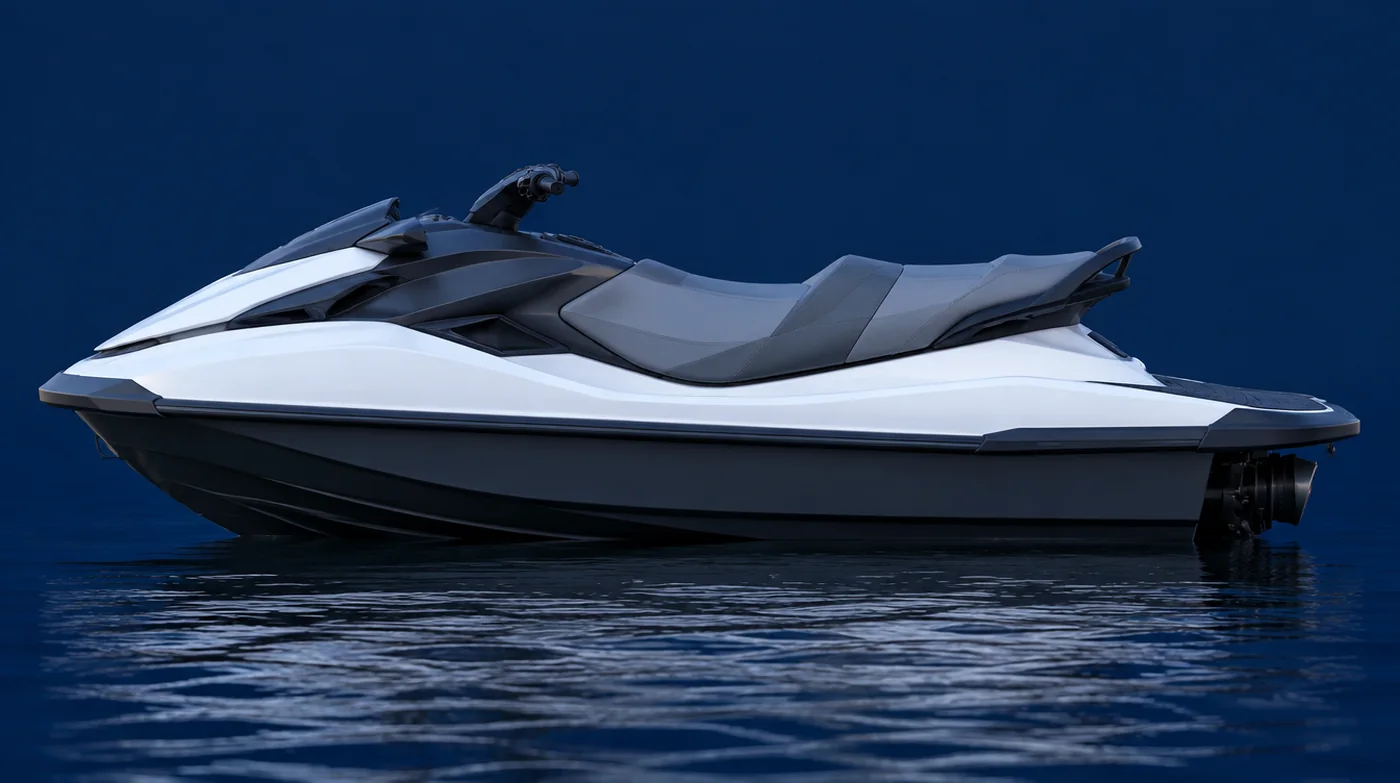
Ten places, ten claim patterns, nine on a jet ski: osmosis does not happen there. Green means carried, orange means a gap. The water level inside the hull shows how much of the damage to your own boat would be left with you. The amounts are orders of magnitude and follow the value you entered.
All places as a list
The same places to read. Selecting works here exactly as in the picture, so nothing is lost if the picture cannot be seen.
How to read the cover plan
The usual order is reversed here. Normally you pick a tier and then read what it carries. In this drawing you point at the place you care about, and the tier follows from it. Each place carries one claim pattern with an amount and a tier from which it is included: going up from no hull cover through partial hull and Basis-Plus to Premium, patterns are added and none are taken away.
Colour answers one question: who pays. Green means the tier carries that place. Orange with a dashed edge means the claim would stay with you, and a crack appears at that spot. The water inside the hull is the sum of those gaps against all patterns that hit your own boat; the two places that concern third parties stand beside it as their own figure, because they do not follow the boat value. An empty hull does not promise that nothing will happen, it says that none of the ten typical patterns would be left with you.
The value of your boat moves the amounts. Without an entry the drawing works with 45,000 EUR, the reference boat of the cover scale, so both pages show the same figures. Enter your own value and the hull places move in proportion, while personal injury and the berth stay where they are. Above 2,500,000 EUR the plan stops, because that is a conversation rather than a tool. Three types of boat are offered: sailing yacht, motor boat and jet ski. They only change where a place sits, never what it costs and never the tier that carries it. Sharing a drawing is simple: copy the address from the browser line, it carries the type, the tier and the places you tapped, so the other side sees the same picture. One point sits outside hull cover: the people on board. Personal injury with annuity payments, by far the largest amount in the drawing, is answered by third party liability, so it stays green at every tier, even without hull cover. Anywhere in Europe that liability is the part a marina, a lock or a harbour master will ask about; hull cover is the part that decides what happens to your own boat.
And the limits: this drawing knows nothing about your boat. It ignores sum insured, deductible, cruising area, berth and age, and it says nothing about replacement at market or at new value. It sorts, it does not settle. Take the places that stay open at your tier and look each of them up in the wording of whichever policy you hold or are offered. The same cases weighed against each other are on the cover scale.
Questions and answers
Frequently asked
What does the cover plan show?
Ten typical claim patterns, each drawn where it happens: rig, coachroof, underwater hull, keel, stern, helm station, pontoon, the water under the hull, the people on board and the boat as a whole. On a jet ski there are nine, because osmosis does not occur there. A place lights up when the selected tier carries it and stays open as a leak when it does not.
How do I pick a tier from the drawing?
Tap the places that matter to you. The tier steps up as far as those places require, and the line underneath names it. Tapping again removes the place. If you would rather work the other way round, switch the tier directly and watch which places go dark.
What does entering the boat value do?
It moves the hull amounts in proportion: a boat worth 150,000 EUR carries larger claims than one worth 15,000. Two places stay put, because they depend on the third party and not on your own boat: personal injury from the liability side and damage to the rented berth. The amounts stay orders of magnitude: what is actually paid depends on the sum insured, the deductible and the wording.
Why three types of boat?
Because the same cover meets different parts on different boats, and because not every pattern exists on every boat: a jet ski has no outboard to unbolt, and no osmosis either, since it does not sit in the water for months. On a sailing boat the storm damage hangs in the rig, on a motor boat in the canopy and radar arch, on a jet ski in the handlebars and hood. The claim pattern, the amount and the tier stay identical across all three drawings, only the location changes. Switching therefore never changes what is covered.
Are the amounts binding?
No. They are orders of magnitude for typical claims, not quotes, not real cases and not a promise of payment. What applies in a single case is written in the policy wording, whichever insurer issued it.
Why do the people on board stay covered at every tier?
Because personal injury is answered by third party liability, not by hull cover. Every tier carries it, even the one without hull cover. The tiers only differ once the damage is to your own boat.
Can I use this to compare other offers?
That is the point. Note the places that stay open at the tier you are considering, then look up each of them in the wording of any policy you are offered. A drawing is quicker than a table, but only the wording decides.