Kiel Canal drops its transit fee for leisure craft
Germany's Bundesministerium für Verkehr, the federal transport ministry, announced on 14 September 2026 that the transit fee for leisure craft on the Kiel Canal ends on 1 January 2027. It currently costs 12 to 43 euros per passage.
Law NAMMERT Assekuradeur GmbH
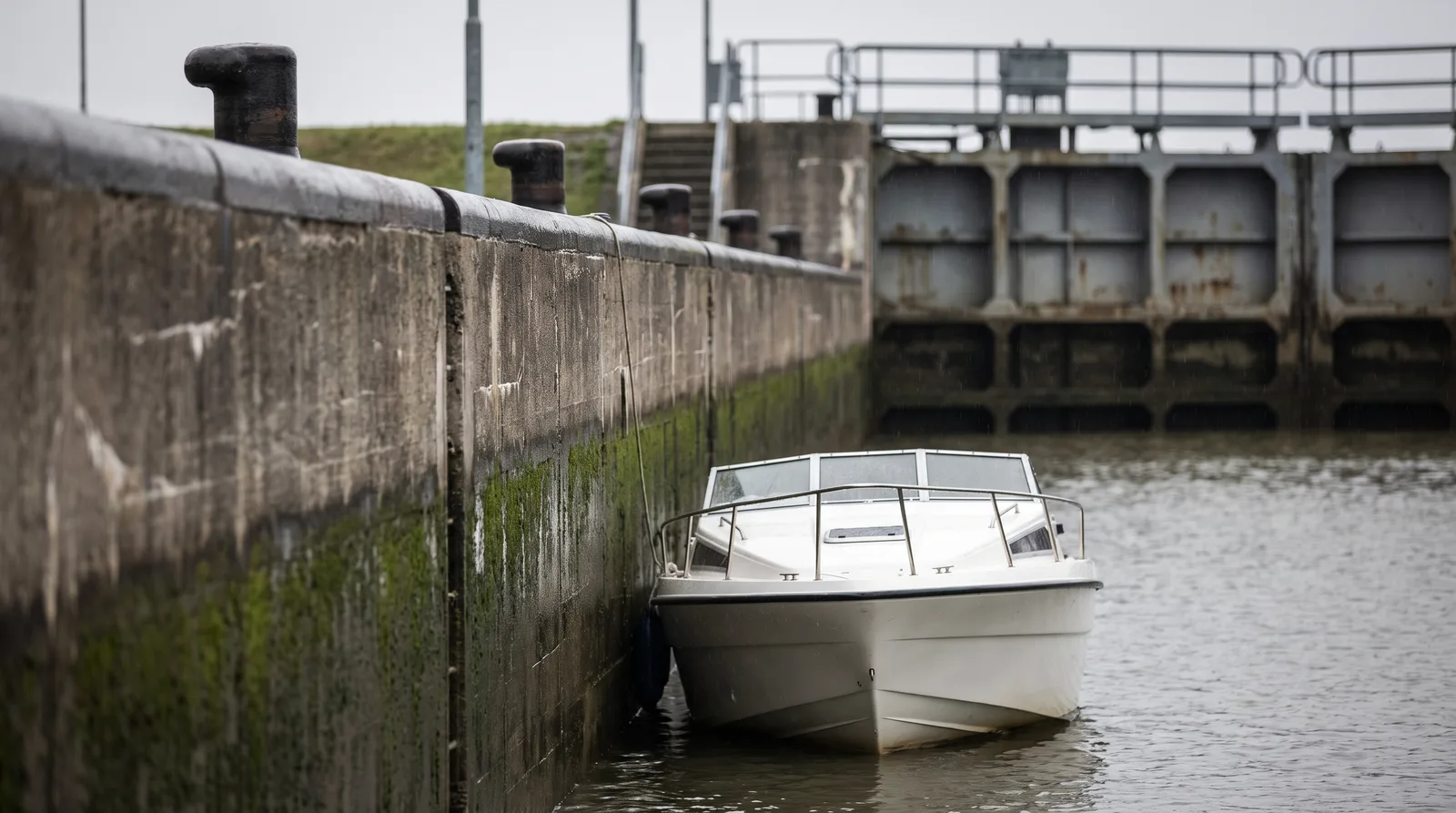
Germany's Bundesministerium für Verkehr, the federal transport ministry, said on 14 September 2026 that the transit fee for sport and leisure craft on the Kiel Canal will be dropped entirely on 1 January 2027. The fee currently runs from 12 to 43 euros per passage, depending on the length of the boat. Around 10,000 leisure craft use the canal each year.
The reasoning is administrative rather than political. According to the ministry, collecting the fee had become more expensive than the revenue it produced, and transport minister Steffen Bilger described the move as cutting paperwork where it serves no purpose. The change sits inside a wider regulation that contains further simplifications for merchant shipping.
The canal runs just under 100 kilometres between Brunsbüttel and Kiel and saves roughly 450 kilometres against the passage around Denmark. It stays a working waterway with heavy commercial traffic, locks and firm traffic rules, so the decision removes a payment step and nothing else. The Deutscher Motoryachtverband, the German motor yachting association, has asked for the same treatment on the Lower Saxony coastal canals, where the fee remains in place for now.
What this means for owners
Nothing about the passage itself becomes safer because the fee is gone. The damage that happens in a canal like this one is mundane: contact with lock walls, chafe at a waiting berth, mooring lines under load when a large ship passes close. Anyone planning the trip should put one plain question to their insurer, namely whether the agreed cruising area takes in both the canal and the Baltic beyond it. That answer is easier to obtain before departure than after an incident.
This paragraph is our view as an underwriting agency, not part of the news. What your own policy covers is written in your own terms; when in doubt, call us.
Where this comes from
- Bundesministerium für Verkehr, Pressemitteilung 085/2026
- Deutscher Motoryachtverband
- SegelReporter
- float Magazin
The text above is our own. The sources listed supplied the facts and the figures, not the wording.