Magazine / Magazine: Policy and market
Two policies, one loss: reading the other insurance clause for your boat
Your club has a group policy, your car has motor insurance, your home has contents cover. When a loss fits two policies, one short clause decides who pays first.
13 November 20267 min readNAMMERT Assekuradeur GmbH
Two policies, one loss: for boat owners this happens more often than they expect. The sailing yacht races in a club series, and the club has a group policy. The trailer boat is towed behind the car, and the car has motor insurance. The outboard spends the winter in a locked garage, and the house has contents cover. Who pays first is then decided by a clause many owners never read: the other insurance clause, often worded as cover that applies only in excess of any other insurance. Reading it in your own policy before a loss is far easier than reading it after one.
The typical sentence says that the insurer pays only if and to the extent that no other insurer is liable or can be called on. Two parts matter. "Only if" means that where another contract responds to the same loss, that contract goes first. "To the extent" means that if the other policy pays only part, for instance because its limit is lower, the balance can fall back on the second contract within its own terms. Such cover is not empty, it is second in line. Check in your own wording where the clause sits: in some contracts it governs the whole policy, in others only certain extensions.
In boat liability wordings the clause often appears at a few predictable places. Look at the extension for renting your boat out, at the skipper's liability when you charter a yacht, at racing and club regattas, where the wording may itself mention a group policy taken out through the club, and at powerboat or jet ski racing, which usually needs to be agreed and shown in the schedule. For a trailer, many wordings go further and exclude cover entirely where the motor insurance of the towing vehicle responds. That is not second in line, that is a hand over.
Some clauses look similar but work differently. A crew cover for claims between people on board may apply only where no compensation can be claimed under another policy. Search and rescue costs after an accidental distress alert from an EPIRB or DSC set may be paid only where nobody else reimburses them, often with a separate limit and deductible. And environmental damage cover can exclude anything for which cover exists or could have been obtained elsewhere. That last form is stricter than an excess clause, because nothing at all is left over. Read the words "could have been obtained" with care.
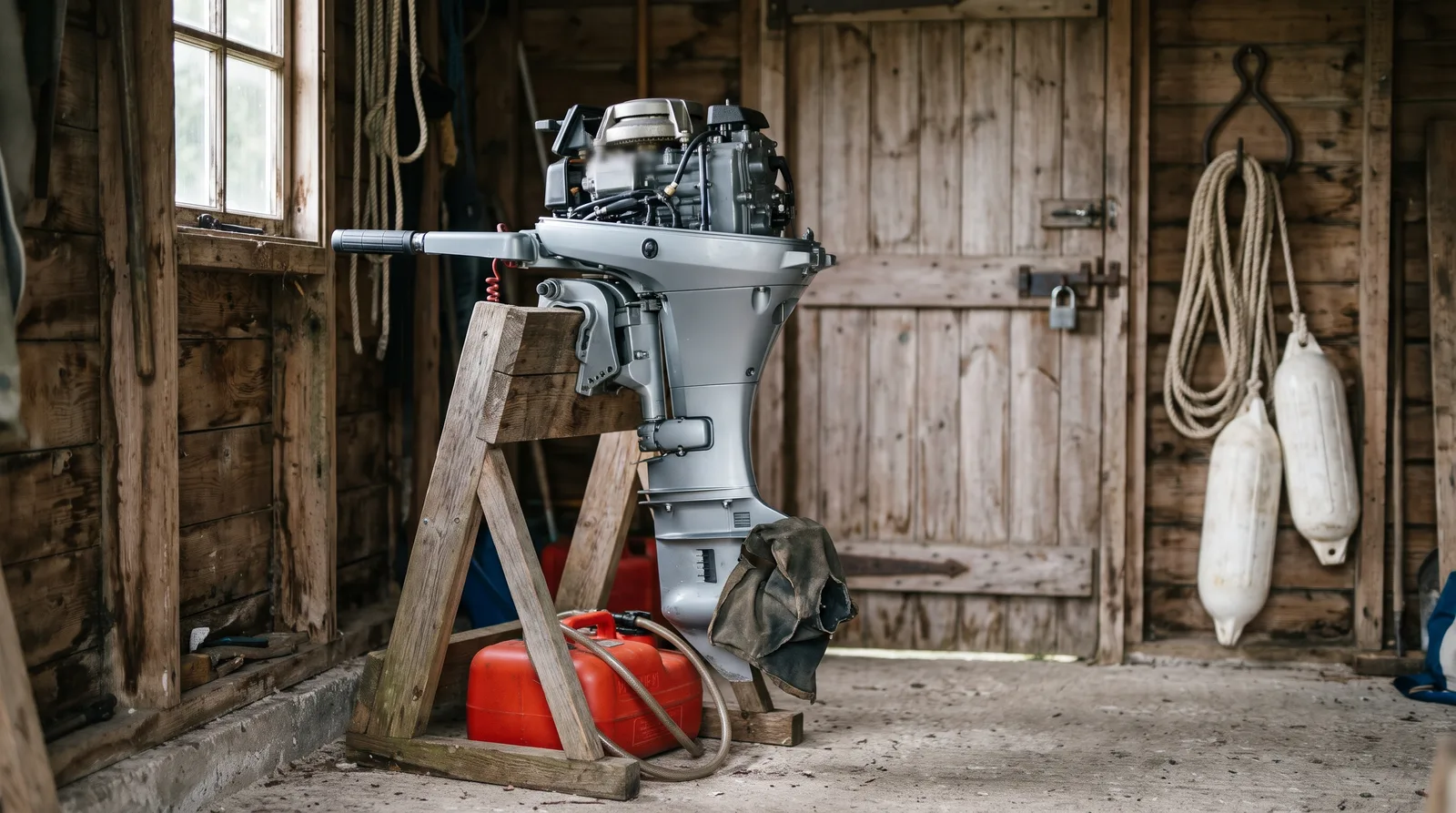
Hull wordings use the same idea. Look at the extensions for rental and for racing, and above all at the cover for gear stored away from the boat. Many contracts insure equipment, inventory and outboard motors kept in a locked room ashore, but state that other insurance takes precedence. If the outboard sits in the garage at home over the winter, the home contents policy may be first in line, and whether it pays depends on its own wording. Some contents policies limit or exclude boat equipment, so check both documents side by side.
When a loss happens, two rules help. First, report it to both insurers at the same time and give each the details of the other policy. Many laws and most wordings expect an insured to disclose other insurance on the same interest, and silence can cost more than the claim. Second, do not wait. A contract that is second in line does not drop out while the first insurer is still deciding; if the first declines or pays only part, the second is next. The case where both policies say they apply only in excess of the other is legally untidy and depends on the exact words of both clauses, so it is best settled with both wordings on the table.
Almost every type of boat is affected somewhere. For a sailing yacht it is usually racing, for a motor boat or a jet ski racing and the trailer, for a chartered yacht the skipper's liability, for a boat that is rented out the rental extension, and for every owner of an outboard the winter in the garage. If any of these applies to you, put the second policy next to the first and search both for the same few words: other insurance, excess, precedence. Ten minutes now will save a long exchange of letters later.
Worth checking
Common questions
Does an other insurance clause mean I get nothing?
No. It usually means the policy is second in line. If the other insurer declines or pays only part, the second policy can respond to the balance within its own terms and limits.
Should I wait for the first insurer's answer before claiming on the second?
No. Report the loss to both at once and give each the other policy details. Most wordings expect you to disclose other insurance, and waiting can breach a reporting deadline.
What happens if both policies say they apply only in excess of the other?
That depends on the exact words of both clauses and on the applicable law, and there is no single answer. Put both wordings side by side and ask both insurers to agree who leads.
Related
