German river gauges now answer the phone
Germany's waterways administration switched on a new spoken measurement service on 15 September 2026. Callers reach a single number plus a three digit extension and hear the current reading for one specific gauge, without needing a data connection.
Technology NAMMERT Assekuradeur GmbH
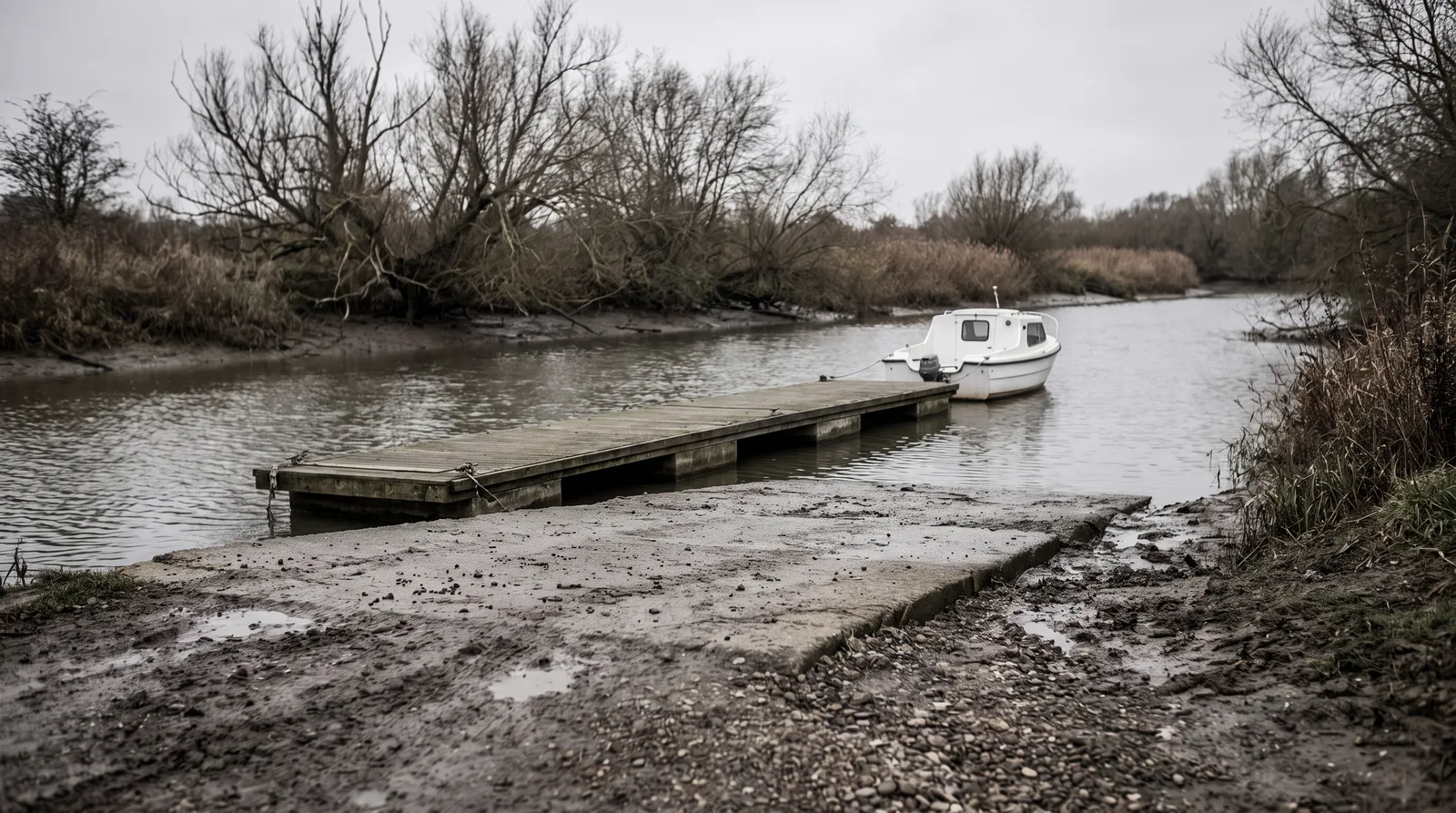
On 15 September 2026 the Generaldirektion Wasserstraßen und Schifffahrt, the directorate general that runs Germany's federal waterways, started a new spoken measurement service for PEGELONLINE, the public gauge portal. The administration says it operates more than 1,400 gauges and around 120 discharge and current measuring points on the federal waterways. Callers dial the base number 0228 286527 followed by a three digit extension for the individual station, and the extensions run along the kilometre marks of each river, from source to mouth.
The change sits in the technology rather than the idea. Until now a call was switched straight through to the single gauge, so a second caller heard an engaged tone. The new service queries the PEGELONLINE database instead, takes several calls at once, and covers every public gauge rather than only those with their own equipment attached. It also says more: alongside the water level, callers now hear discharge figures and reservoir values. The administration describes the service as free of charge, and the federal IT centre built it.
The practical case is the one where mobile data fails. The same figures appear on pegelonline.wsv.de and on the mobile view pegelmobil.de, but a voice call often still gets through where a data connection has long since dropped, which is a familiar situation in the floodplains of the Elbe, the Oder and the Danube. Anyone cruising German inland waters can store the extension for their home stretch once and have the reading before casting off.
One limit belongs in the same breath. A gauge measures against a fixed reference point and reports how high the water stands, not how much of it lies under a given keel. Usable depth follows only when the reading is combined with the information published by the responsible waterways and shipping office. The service supplies the number on which planning rests, not the decision itself.
What this means for owners
Grounding is the classic inland claim, and it usually starts with an assumption about the water level rather than a look at the gauge. If you are asked later how the contact happened, what you checked before casting off tends to matter, so it is worth knowing which sources your insurer expects you to consult on an inland passage. The boats most exposed are cabin cruisers and motor yachts with shaft drives, trailer boats using ramps that run dry in low water, and sailing yachts with fixed keels on river sections. Whatever the outcome, have the drive train inspected after any grounding, even if the boat still runs: a bent shaft bracket or a nicked propeller often surfaces weeks later as bearing damage, and by then the link to the incident is hard to establish.
This paragraph is our view as an underwriting agency, not part of the news. What your own policy covers is written in your own terms; when in doubt, call us.
Where this comes from
- Generaldirektion Wasserstraßen und Schifffahrt: Neue Messwertansage bei PEGELONLINE der WSV, 15.09.2026
- Deutscher Motoryachtverband: Wasserstände unterwegs abrufen, PEGELONLINE erweitert Telefonservice, 22.09.2026
The text above is our own. The sources listed supplied the facts and the figures, not the wording.