EU lists new standards for electric power and reboarding
Since March 2026 two ISO standards count as harmonised under the EU Recreational Craft Directive: one on measuring and declaring the power of electric propulsion, one on protection from falling overboard and means of reboarding.
Technology NAMMERT Assekuradeur GmbH
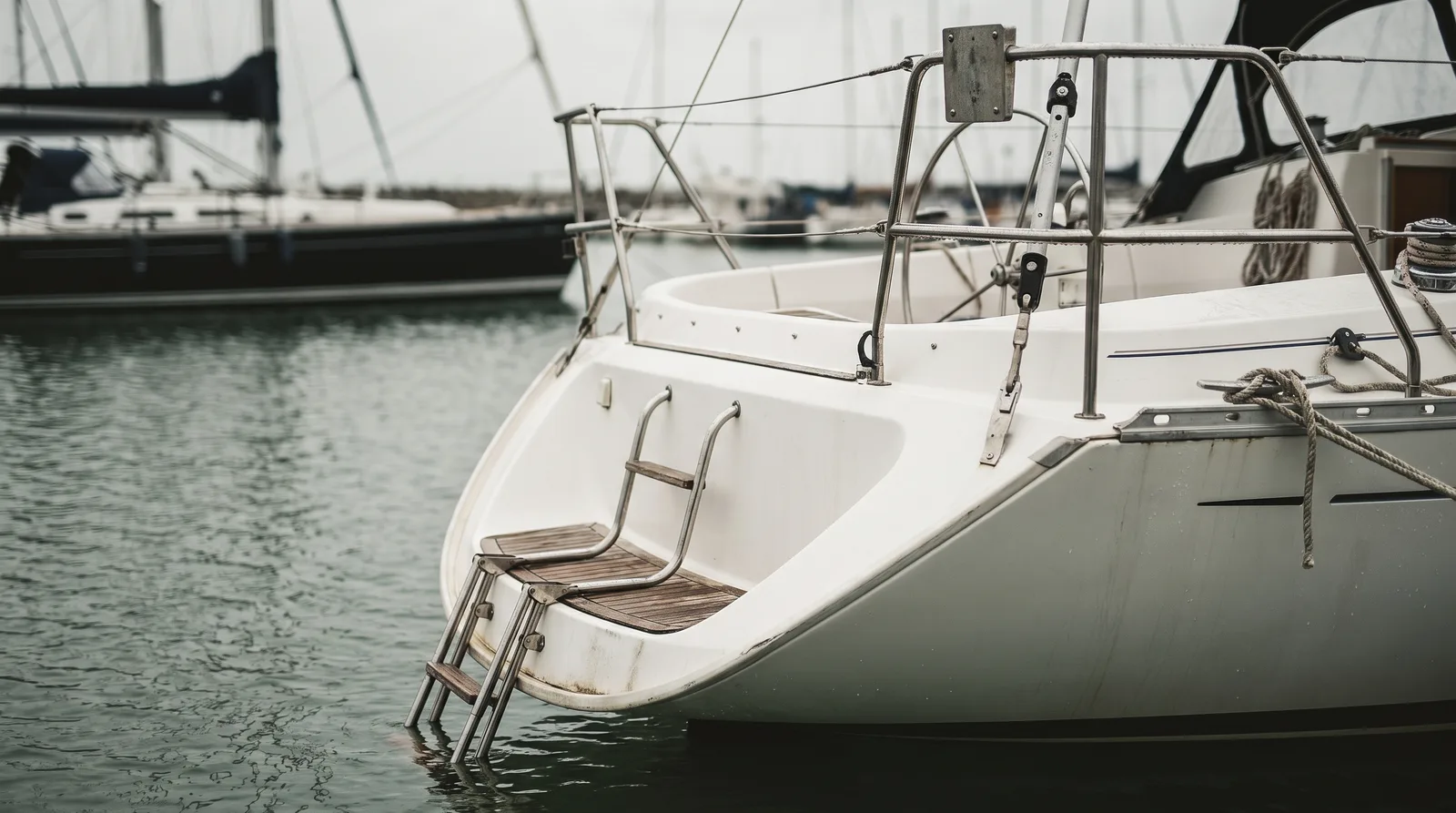
Commission Implementing Decision (EU) 2026/550 was adopted on 12 March 2026, published in the Official Journal on 13 March 2026 and entered into force that day. It amends Implementing Decision (EU) 2022/1954, the list of harmonised standards for recreational craft, by adding EN ISO 8665-2:2024 on power measurements and declarations for electric marine propulsion and EN ISO 15085:2024 on protection from falling overboard and means of reboarding.
A harmonised standard gives builders a presumption of conformity: a boat built to it is presumed to meet the corresponding requirements of the directive. The overboard standard is a revision. The previous EN ISO 15085:2003, with its amendments of 2009 and 2018, is removed from the list with effect from 13 August 2027. According to the responsible ISO committee, both versions provide presumption of conformity during the transition.
The electric standard is new to the list. ISO 8665-2 was published in May 2024 and specifies how the power of electric propulsion systems is determined, so that the rated power published by the manufacturer can be documented and checked. It applies to recreational craft and other small craft up to 24 metres hull length.
Nothing in the decision requires owners to modify boats they already have; it concerns the standards new products are measured against when placed on the market. For anyone ordering a new boat before summer 2027, two questions to the dealer are reasonable: which edition the overboard protection follows, and how the declared power of an electric drive was measured.
What this means for owners
A change in harmonised standards does not rewrite an insurance contract. The rated power of an electric drive is still worth attention, because engine power is one of the details an underwriter asks about for a motorboat, and a figure measured to a standard is firmer ground than a brochure number. Protection from falling overboard is about injury to people: after someone goes over the side, the condition of lifelines and boarding ladder is among the first things examined. The boats concerned are new sailing yachts, motorboats and catamarans up to 24 metres, and for the power part mainly electric boats; used boats and classics are not affected. A sensible question for your own insurer is whether the stated engine power in your documents matches what is actually fitted.
This paragraph is our view as an underwriting agency, not part of the news. What your own policy covers is written in your own terms; when in doubt, call us.
Where this comes from
- EUR-Lex: Durchführungsbeschluss (EU) 2026/550 der Kommission vom 12. März 2026
- ISO/TC 188 Small craft: New harmonized standards for the RCD
- ISO 8665-2:2024, Small craft, Power measurements and declarations, Part 2: Electric marine propulsion
The text above is our own. The sources listed supplied the facts and the figures, not the wording.