Magazine / Magazine: Boat and season
Sea-Doo RXT X 260 RS insurance check: typical jet ski damage and what wordings say
Which damage is typical for a jet ski and how policy wordings deal with it is the subject of part three. It is about the type of craft, not this model in particular.
6 November 20268 min readNAMMERT Assekuradeur GmbH
After policy and value, part three of this insurance check looks at typical jet ski damage and at what policy wordings say about it. One point first: the damage patterns described here are typical for jet skis as a type, not for the Sea-Doo RXT X 260 RS in particular. We have not ridden the model and do not claim that it is prone to any specific damage. What follows are the cases that keep appearing with jet skis, and the clauses that decide how a claim is handled. Part four then adds what applies on the trailer, at the ramp and in winter storage.
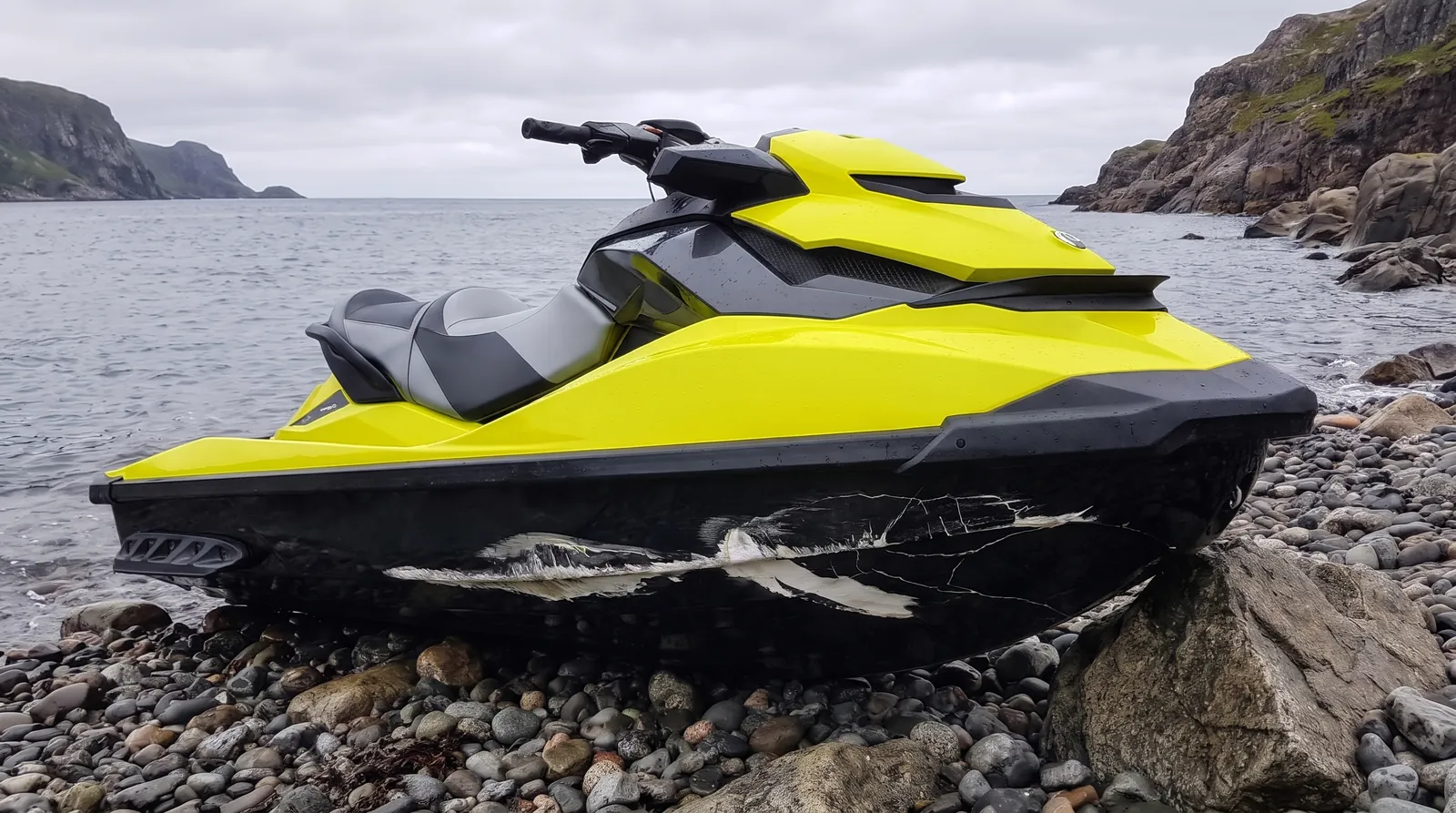
The most frequent case is contact with something solid: the jetty when coming alongside, a rock in shallow water, another boat in the crowd at the ramp. These are accidents, and some basic hull covers do not include accidents at all, only named hazards such as storm, fire or theft. Broader covers name grounding and collision with fixed and floating objects explicitly, and some pay inspection costs after a reported grounding. Jet ski clauses often add a hull rule: damage that does not restrict normal use, such as scratches in the gelcoat, is excluded. A crack in the bow that affects riding is a different matter.
A second pattern belongs only to jet skis: the pump draws in ropes, gravel or weed together with the water. The question is then whether an external event caused the damage or whether it is an operational failure. Wear and tear in normal use is generally excluded on the worn part itself, while some wordings still pay for direct consequential damage to other insured parts. Operational damage to machinery, poor maintenance and corrosion are commonly excluded. Many jet ski clauses exclude engine damage from water ingestion unless it is the direct result of a collision with a solid object. Keep and photograph anything found in the intake.
Theft and vandalism mark clear differences between levels of cover. Basic covers often include only theft of the whole craft, while theft of parts, break-ins and malicious damage come with broader cover. Jet ski clauses frequently require the craft to be secured against unauthorised use at night and during longer absences. Some wordings refuse to pay for theft if the jet ski was left on open ground on land, and some double the deductible for theft if the craft was not kept locked or behind a fence. These conditions decide claims more often than the price of the jet ski does.
A three-seat jet ski rarely goes out alone, so the personal accident cover deserves a look. Some contracts insure only the owner, others add close family, and only some include every authorised passenger. In several wordings the sum insured is divided by the number of people on board at the time of the accident. Cover is often worldwide but limited to use of the insured craft. Some accident covers pay a higher head injury benefit if the rider can prove that a standard helmet was worn. Losing sunglasses or a phone overboard is excluded in most hull wordings.
Finally third party liability, which matters on a jet ski because swimmers and other boats are often close. It pays for injury and damage to third parties for which the rider is legally liable, and some contracts extend it to towing water skiers, wakeboarders or tubes. Gross negligence is another point to read: some hull wordings waive a reduction up to a share of the sum insured, though rarely for theft, drugs or alcohol. Report every claim to the insurer before the repair starts, and keep photos of the damage. Trailer, ramp and storage follow in part four.
Insurance checkPart 3 of 4
Sea-Doo RXT X 260 RS: an insurance check
All parts at a glance
- Sea-Doo RXT X 260 RS insurance check (Policy)
- Sea-Doo RXT X 260 RS insurance check (Value)
- Sea-Doo RXT X 260 RS insurance check (Damage)
- Sea-Doo RXT X 260 RS insurance check (On the move)
Worth checking
Common questions
Is hitting the jetty when coming alongside an insured loss?
Under broader hull covers a collision usually counts as an accident. Many jet ski clauses still exclude hull damage that does not restrict normal use. Basic covers often include no accident cover at all.
Is engine damage after water ingestion covered?
Many jet ski clauses exclude engine damage from water ingestion unless it directly results from a collision with a solid object. Wear on the part itself, poor maintenance and corrosion are commonly excluded as well.
Who has accident cover when two passengers ride along?
That depends on the contract: some insure only the owner, some add close family and some every authorised passenger. In several wordings the sum is divided by the number of people on board.
Related
